
Herbicides
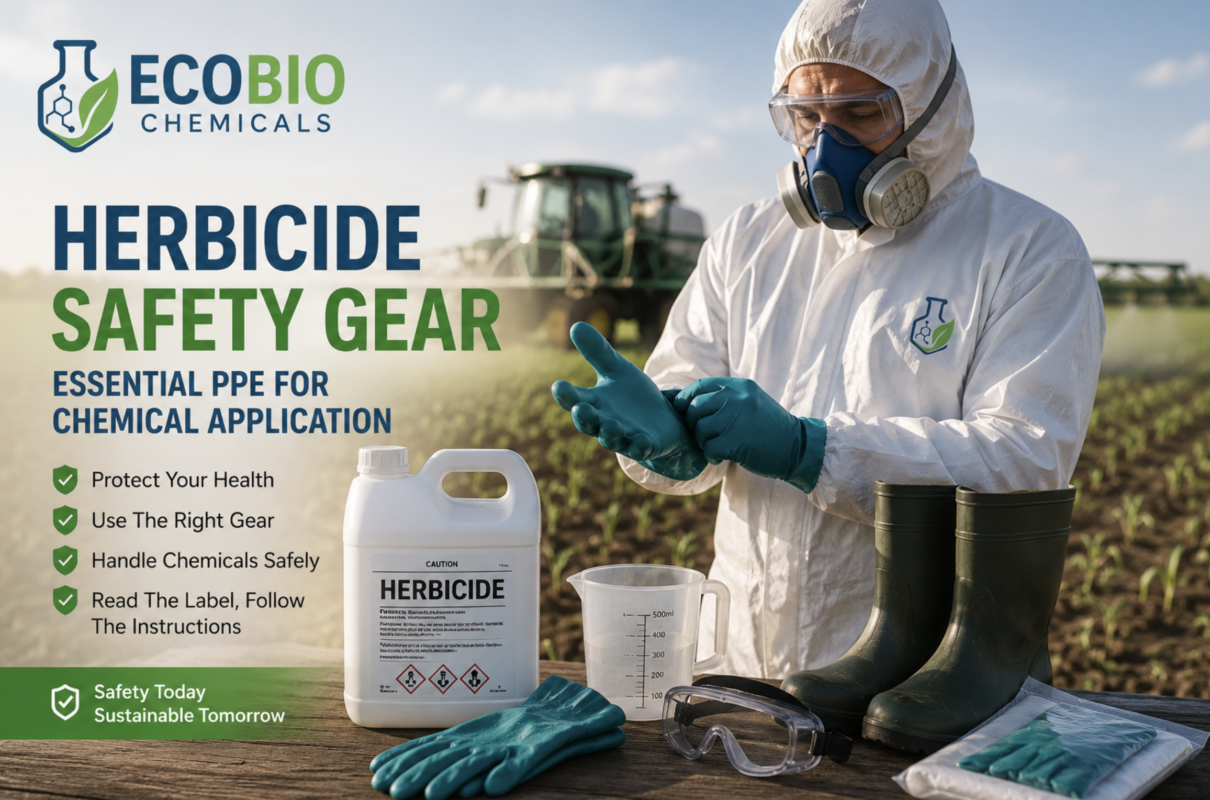
Herbicide Safety Gear: Essential PPE for Chemical Application
Aug
Learn which herbicide safety gear and PPE are essential for chemical application, including gloves, coveralls, boots, eye protection and safe handling practices.
Applying herbicides is an important part of modern weed management, but effective weed control should always go hand in hand with safe chemical handling. Whether you are a commercial farmer, agricultural contractor, groundskeeper or small-scale grower, using the correct herbicide safety gear can help reduce unnecessary exposure during mixing, loading, spraying, equipment cleaning and chemical storage.
Herbicides are formulated differently and may have different hazards, application methods and personal protective equipment requirements. For this reason, there is no single PPE combination that is suitable for every agricultural chemical. The product label and Safety Data Sheet should always be the primary source of information when selecting protective equipment.
This guide explains the main types of personal protective equipment for herbicide application, why PPE matters and how to build a safer chemical handling routine.
Why Is Herbicide Safety Gear Important?
Herbicide exposure can occur during several stages of chemical use. The risk is not limited to spraying a field. Mixing concentrated products, opening containers, transferring chemicals, cleaning equipment and handling contaminated clothing can all create opportunities for exposure.
The main routes of exposure may include:
- Skin contact
- Eye contact
- Inhalation of vapours, aerosols or spray mist
- Accidental ingestion through contaminated hands or food
The appropriate herbicide safety gear acts as one layer of protection within a broader chemical safety programme.
Safe herbicide use should also include:
- Reading the product label
- Following manufacturer instructions
- Using properly maintained application equipment
- Avoiding unsuitable weather conditions
- Keeping unauthorised people away from the application area
- Washing hands and exposed skin after handling chemicals
- Storing herbicides securely
PPE is important, but it should not be treated as a substitute for proper handling procedures.
Essential PPE for Herbicide Application
1. Chemical-Resistant Gloves
Chemical-resistant gloves are among the most important pieces of herbicide safety equipment.
Hands are particularly vulnerable during:
- Opening herbicide containers
- Measuring concentrates
- Mixing spray solutions
- Connecting hoses
- Cleaning spills
- Maintaining spraying equipment
The gloves selected should be appropriate for the chemical being handled. Not every glove material provides the same level of protection against every chemical.
When choosing gloves, consider:
- Chemical compatibility
- Thickness and durability
- Length and coverage
- Manufacturer recommendations
- The specific product label
Gloves should be inspected before use for holes, cracks or signs of deterioration. Damaged gloves should be replaced.
After chemical handling, gloves should be cleaned according to the applicable instructions before removal. Hands should then be washed thoroughly.
2. Protective Coveralls and Clothing
Protective clothing helps reduce skin exposure to splashes and spray droplets.
Depending on the product and task, appropriate clothing may include:
- Long-sleeved shirts
- Long trousers
- Chemical-resistant coveralls
- Protective aprons
- Chemical-resistant suits for specific applications
The required level of protection depends on the herbicide, concentration and activity being performed.
Mixing concentrated herbicides may require greater protection than working in a fully enclosed tractor cab, depending on the product label and equipment design.
Reusable protective clothing should be cleaned according to manufacturer instructions. Clothing that has become heavily contaminated or cannot be adequately cleaned should not continue to be used.
3. Chemical-Resistant Boots
Footwear is another important part of PPE for herbicide application.
Spray drift, spills and contaminated surfaces can expose footwear and lower legs to chemicals. Appropriate chemical-resistant boots can provide better protection than ordinary shoes or fabric footwear.
Look for footwear that is:
- Suitable for chemical exposure
- Free from cracks or holes
- Easy to clean
- Properly fitted
- Compatible with the protective clothing being used
Avoid wearing footwear that absorbs chemicals easily or cannot be properly cleaned.
Boots should be inspected regularly, particularly around seams, soles and areas that may become damaged through repeated use.
4. Safety Goggles and Eye Protection
Herbicide splashes can occur when opening containers, mixing products or cleaning application equipment.
Appropriate eye protection may include:
- Chemical splash goggles
- Safety goggles
- A face shield used together with suitable eye protection when required
A face shield alone may not provide the same level of protection as properly fitted safety goggles against splashes.
Eye protection should fit securely and provide sufficient coverage for the task.
If a chemical enters the eyes, follow the emergency instructions provided on the product label and seek appropriate assistance.
5. Respiratory Protection
Respiratory protection requirements vary significantly depending on the herbicide formulation, application method and potential exposure.
Some situations may create greater risk from:
- Fine spray droplets
- Aerosols
- Dust
- Vapours
Respiratory protective equipment should only be selected according to the specific requirements of the product label, Safety Data Sheet and workplace risk assessment.
A respirator is not automatically required for every herbicide application. Where respiratory protection is required, users should ensure that:
- The respirator is suitable for the identified hazard
- The correct filter or cartridge is used
- The equipment fits properly
- The equipment is inspected and maintained
- Replacement schedules are followed
Incorrect respirator selection can create a false sense of security.
PPE for Mixing and Loading Herbicides
The mixing and loading stage often involves handling concentrated agricultural chemicals. This may create a higher risk of direct exposure than spraying a diluted solution.
When mixing herbicides, follow the product instructions carefully.
Typical protective equipment may include, where required by the label:
- Chemical-resistant gloves
- Protective clothing or coveralls
- Chemical-resistant footwear
- Eye protection
- Additional face or respiratory protection where specified
Always measure products using appropriate equipment. Avoid using household containers or utensils for agricultural chemicals.
Mixing should take place in a suitable area where spills can be managed and where chemicals cannot contaminate water, food or animal feed.
Never leave herbicide containers unattended during mixing.
PPE for Herbicide Spraying
The PPE required during spraying may differ from the PPE required for mixing concentrated products.
Factors that can influence exposure include:
- Open or enclosed equipment
- Handheld or tractor-mounted sprayers
- Spray pressure
- Nozzle type
- Weather conditions
- Height of the spray boom
- Product formulation
Open-cab operators may have greater exposure potential than operators working in properly designed and maintained enclosed systems.
However, enclosed equipment does not eliminate the need to follow the product label. Operators must still consider exposure when entering or exiting equipment, handling chemicals or performing maintenance.
Understanding Herbicide Labels and PPE Instructions
The herbicide label should always be read before use.
Important information may include:
- Required PPE
- Mixing instructions
- Application rates
- Approved crops or areas
- Environmental precautions
- Storage requirements
- First-aid information
- Re-entry requirements
- Disposal instructions
Never assume that the PPE requirements for one herbicide are suitable for another product.
Even products used for similar weed control purposes may have different active ingredients, formulations and handling requirements.
The label instructions should take priority over general PPE advice.
How to Put On Herbicide Safety Gear
Putting on PPE correctly can improve protection and reduce the risk of contaminating clothing or skin.
A general approach may include:
- Inspect all equipment for damage.
- Put on clean protective clothing.
- Put on chemical-resistant boots.
- Fit the required eye protection.
- Put on respiratory protection if specifically required.
- Put on chemical-resistant gloves as the final protective layer.
The exact sequence may vary depending on the equipment being used.
Ensure that gloves, sleeves and other protective clothing overlap correctly to minimise exposed skin.
How to Remove Contaminated PPE Safely
Removing contaminated PPE is an important stage of chemical safety.
If protective equipment has been exposed to herbicide, avoid touching contaminated outer surfaces with bare hands.
A safer process generally includes:
- Cleaning the outside of reusable gloves before removal
- Removing protective equipment carefully
- Avoiding contact between contaminated surfaces and skin
- Washing hands immediately after removing PPE
- Cleaning reusable equipment according to instructions
Disposable PPE should be discarded according to applicable product and waste management requirements.
Never take contaminated PPE into areas where food is prepared or stored.
Cleaning and Maintaining Herbicide Safety Equipment
PPE should be inspected and maintained regularly.
Chemical-resistant gloves, boots, goggles and other reusable equipment can deteriorate over time.
Inspect equipment for:
- Cracks
- Tears
- Holes
- Discolouration
- Stiffness
- Chemical damage
- Damaged seals
Reusable equipment should be cleaned according to the manufacturer’s instructions.
Protective clothing contaminated with agricultural chemicals should not be washed together with normal household clothing.
Maintain a dedicated area for cleaning and storing chemical safety equipment.
Common Mistakes When Using Herbicide PPE
Using Ordinary Household Gloves
Ordinary gloves may not provide suitable chemical resistance. Always check that gloves are appropriate for the chemical being handled.
Wearing Damaged Protective Equipment
Small cracks and holes can significantly reduce protection.
Ignoring the Product Label
The label provides product-specific information. General safety advice should never override the manufacturer’s instructions.
Eating, Drinking or Smoking During Application
Food, beverages and tobacco products can become contaminated through chemical residues on hands or equipment.
Reusing Contaminated Clothing Without Proper Cleaning
Contaminated clothing can continue to expose the wearer even after the spraying operation has ended.
Storing PPE With Herbicides
Protective equipment should be stored in a clean, dry location according to manufacturer recommendations and separately from contaminated chemical containers.
Safe Herbicide Storage and Handling
Herbicide safety does not end when spraying is complete.
Agricultural chemicals should generally be stored in a secure, clearly designated location.
A suitable chemical storage area should help protect products from:
- Unauthorised access
- Extreme temperatures
- Moisture
- Physical damage
- Contamination
Keep herbicides in their original labelled containers.
Never transfer agricultural chemicals into food or beverage containers.
Ensure that emergency information and relevant product documentation are available to people responsible for chemical handling.
Herbicide Safety for Agricultural Workers
Employers and farm managers should ensure that workers understand:
- The chemicals they are handling
- The PPE required
- How to use protective equipment
- How to respond to spills
- Emergency procedures
- Personal hygiene requirements
Training should be practical and appropriate for the products and equipment used.
Workers should also know that PPE must fit correctly. Equipment that is uncomfortable or poorly fitted may be used incorrectly or not used consistently.
Building a Complete Herbicide Safety Programme
The best approach to agricultural chemical safety is to use several layers of protection.
A complete herbicide safety programme may include:
- Product-specific risk assessment
- Correct chemical selection
- Label compliance
- Appropriate PPE
- Proper storage
- Equipment maintenance
- Sprayer calibration
- Worker training
- Spill response procedures
- Good personal hygiene
- Accurate record keeping
This approach can help reduce unnecessary exposure while supporting more efficient chemical application.
Frequently Asked Questions About Herbicide Safety Gear
What PPE should I wear when applying herbicides?
The required PPE depends on the specific herbicide and application method. Always follow the product label and Safety Data Sheet. Common equipment may include chemical-resistant gloves, protective clothing, boots and eye protection.
Do I always need a respirator when spraying herbicide?
No. Respiratory protection requirements depend on the product formulation, exposure risk and manufacturer instructions. Use respiratory protection only when required and ensure that the equipment is appropriate for the hazard.
Are ordinary rubber gloves suitable for herbicides?
Not necessarily. Gloves should be selected based on chemical compatibility and the requirements of the product being handled.
What should I do if herbicide spills on my clothing?
Follow the product label and safety instructions. Remove contaminated clothing carefully and avoid spreading contamination. Wash exposed skin and handle contaminated clothing according to the relevant instructions.
Can I reuse herbicide safety gear?
Many items can be reused if they are designed for reuse and can be properly cleaned and inspected. Damaged or heavily contaminated equipment should be replaced or disposed of appropriately.
Conclusion
Using the correct herbicide safety gear is an essential part of responsible agricultural chemical application. Chemical-resistant gloves, protective clothing, suitable boots, eye protection and, where required, appropriate respiratory protection can help reduce unnecessary exposure during mixing, spraying and equipment cleaning.
However, PPE is only one part of a safe working system. Reading the herbicide label, following product-specific instructions, maintaining equipment, practising good hygiene and storing chemicals responsibly are equally important.
The correct PPE can vary between products and tasks. Always consult the latest product label and Safety Data Sheet before handling or applying a herbicide, and ensure that all workers receive appropriate training.
By combining proper protective equipment with responsible chemical handling practices, agricultural workers can support safer and more effective herbicide application.